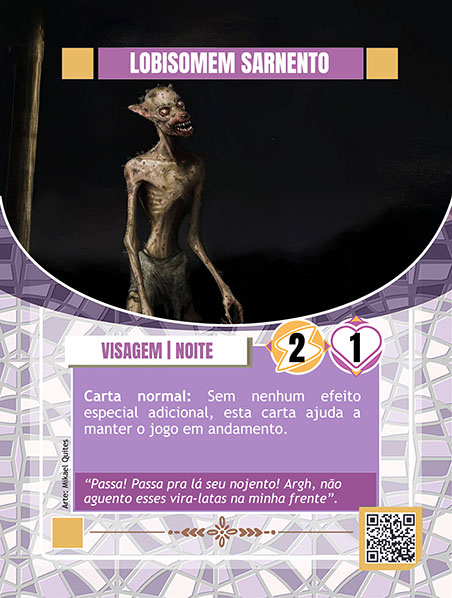
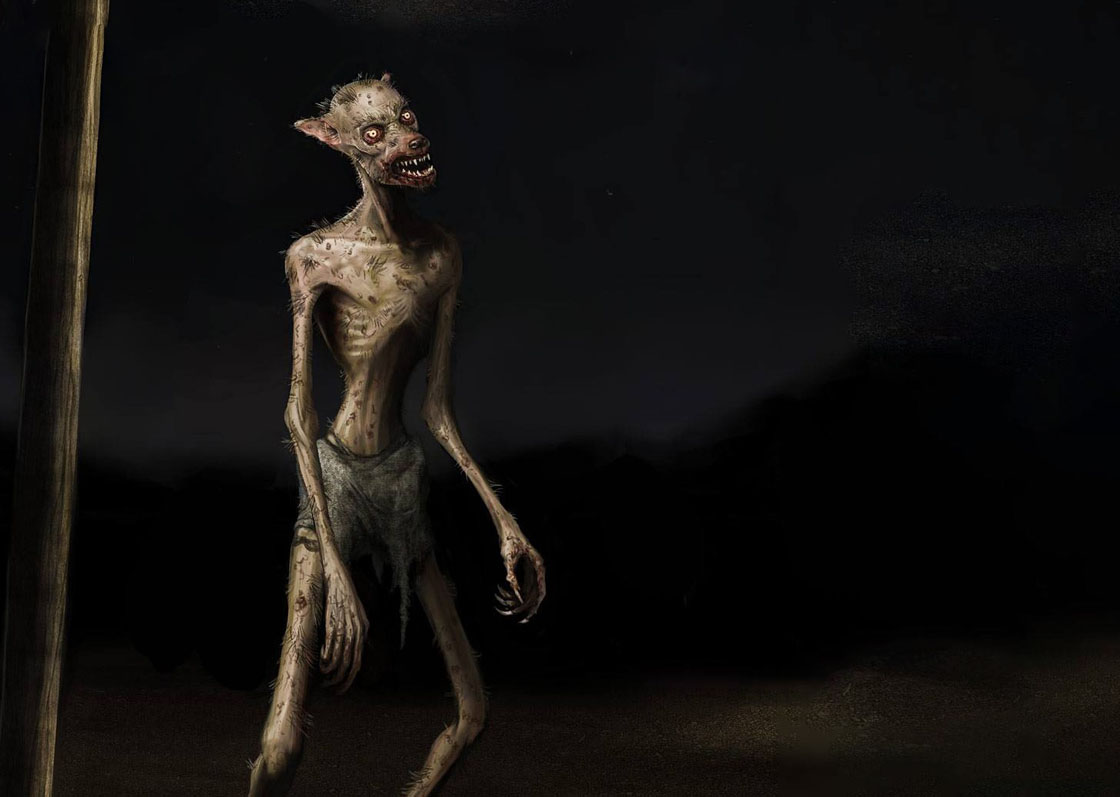
During the day, a pale, thin, and always tired man. At night, a hungry beast. In accounts from the North and Northeast, the transformation into a werewolf is linked to illness and the weakening of the body.
Illness and transformation
In Geography of Brazilian Myths, Câmara Cascudo records the association of the werewolf with yellow fever and malaria. According to the belief, the man would be so debilitated that he would need the blood of other people to recover. In the early mornings, he would transform into a beast and go out in search of victims.
Even before the transformation, his body aroused suspicion. He walked slowly, huddled up, and always seemed listless. His face was yellowish and lifeless. He refused food, yawned a lot, and felt nauseous easily.
Hunger and the signs on the body
In animal form, the hunger continued. Cascudo cites a São Paulo account by Cornélio Pires in which the werewolf runs with his head down, strangled and sad, and eats chicken droppings. In the beach versions gathered by the folklorist, he devours crab shells, goiamuns, and blue crabs before going out on his runs.
These descriptions bring the monster closer to sick, elderly men or those who lived in misery. The paleness, the tiredness, and the unusual gestures fueled the suspicion that someone could transform into a beast. The fear of the werewolf was mixed with the strangeness of someone who carried the signs of illness and poverty on their body.