And death without criteria dealt its final blow, stealing the life of Zé and that of the cruel farmer.
No one escapes destiny, be it simple, be it refined, be it clean or filthy, this encounter is guaranteed and however well hidden it finds everyone. – "The Lesson that Death Gave", by Bráulio Bessa
Death as a character
Popular traditions related to death permeate, in one way or another, the imagination of all peoples of the earth. It can be in the form of the discovery of the finitude of life, the confrontation with terrifying beings, capable of shortening our existence, or even as rites and practices of commemoration and farewell to the deceased. However, there is a peculiar manifestation of death that has a special presence in Brazilian oral narratives: death personified; the somber figure, sometimes skeletal, ready to reap yet another soul.
Tradition readily understands the justice of Death, with a capital D. Several popular texts carry the motto that death takes everyone equally: children and the elderly, rich and poor, good and bad. No one escapes its yoke… Which does not prevent human beings from trying.
The attempt to deceive Death
Câmara Cascudo, in “Traditional Tales of Brazil”, positions the tales of the Death Cycle as diametrically opposed to those of the Tricked Devil cycle. If, in the latter, the outcome of the story is the use of cunning and cleverness as a weapon to defeat the Evil One, the message of the stories involving the trickery of Death is the same as always: the death of the protagonist. After all, this destiny is inexorable.
In the narratives of clever men who try to take advantage of Death, one of the classics is the tale of their ties of compadre. The story tells of a man who, unable to find anyone to baptize his seventh child, offered the boy to be Death's godson. In gratitude for his trust, Death gave the man the ability to see her, so he would know when she was approaching. The young man then became rich as a doctor – giving up on patients when he saw the skeleton approaching.
When his time came, however, he asked a favor on behalf of his son: that he could only die when he had finished praying an Our Father. Death granted this vote of confidence, but the man began the prayer and intended never to finish. Death was patient, years and years passed, until one day the man blessed himself and prayed to God. Death appeared at that very moment and took him to his domain.
When Death calls your name
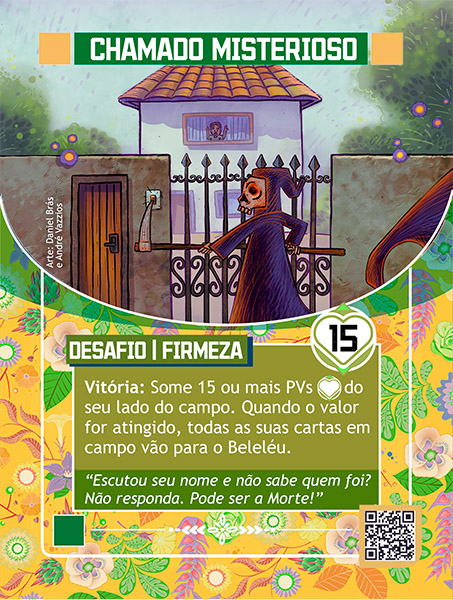
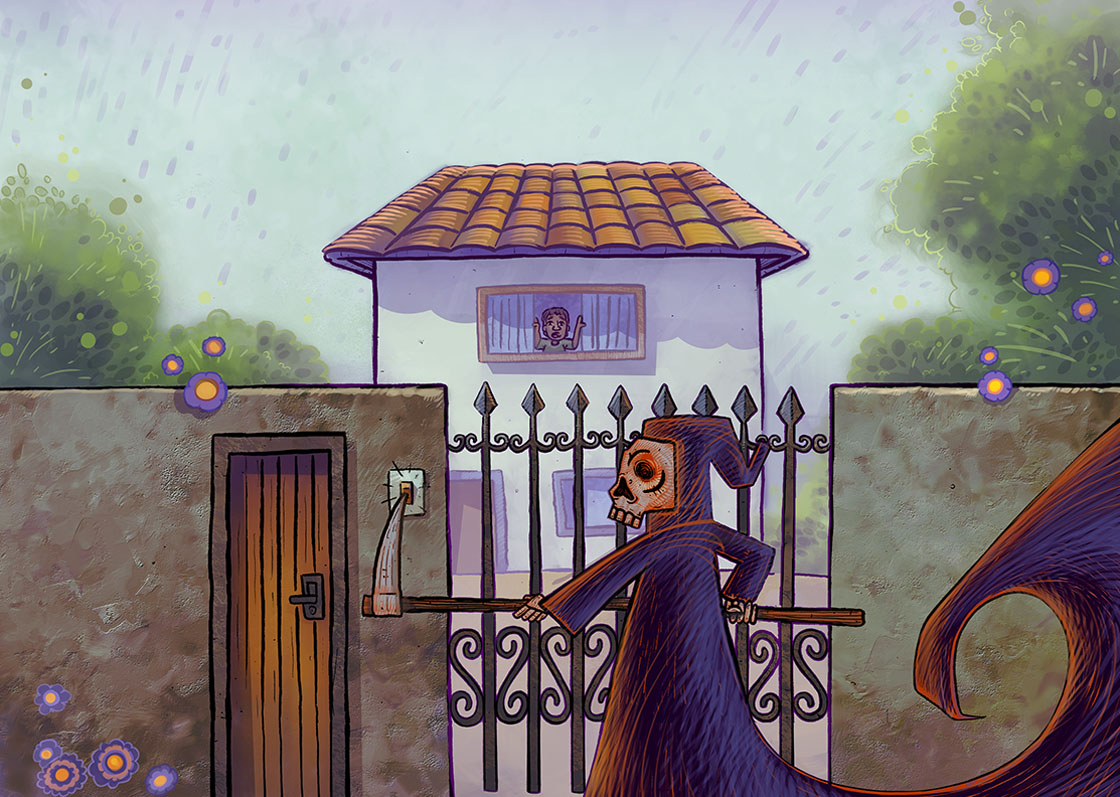
Another classic manifestation of Death in our popular culture is its mysterious call. They say that when you hear someone call your name, but you don't know whose voice it is – or where it's coming from – the safest thing to do is not to answer. It could be Death calling, and whoever answers will have their life cut short.