At the age of seven, Ana Leopoldina Santos (1923–2008) was already helping her mother make earthenware in Santa Filomena, then a district of Ouricuri, on the border of Pernambuco and Piauí. In 1954, she moved with her second husband, José Vicente de Barros, to Petrolina. Those who knew her for her pots and pans called the artisan Ana Louceira (Ana the Potter). It was with the little boats of the São Francisco River that she began to make another name for herself.
Life was not generous. The pottery that Ana sold at the market had little demand, and José lived begging in the streets. Ana recounts that, on one occasion, she went to the São Francisco River and asked the saint for a favor. She spotted a mussambê tree and began to dig there, looking for clay. The tool hit a stone and fire came out of it. For Ana, it was a sign.
Later, admiring the river of promises, she saw the boats arrive with their figureheads on the prow. Inspiration came instantly. Ana named the little clay boat Gangula. On the prow was the figurehead. And who was traveling there? An old man and a boy who were going to sell pumpkins. To make the cargo, Ana rolled up little balls of clay.
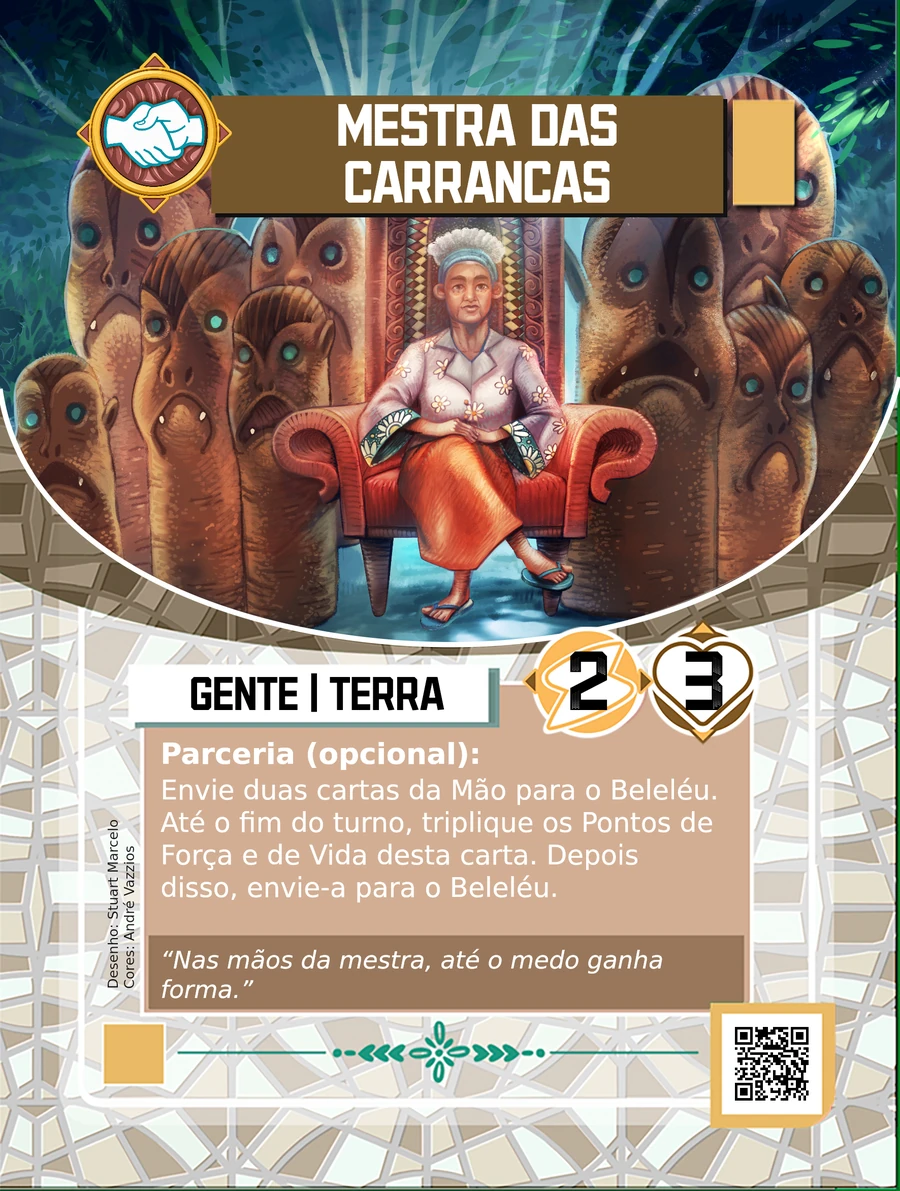
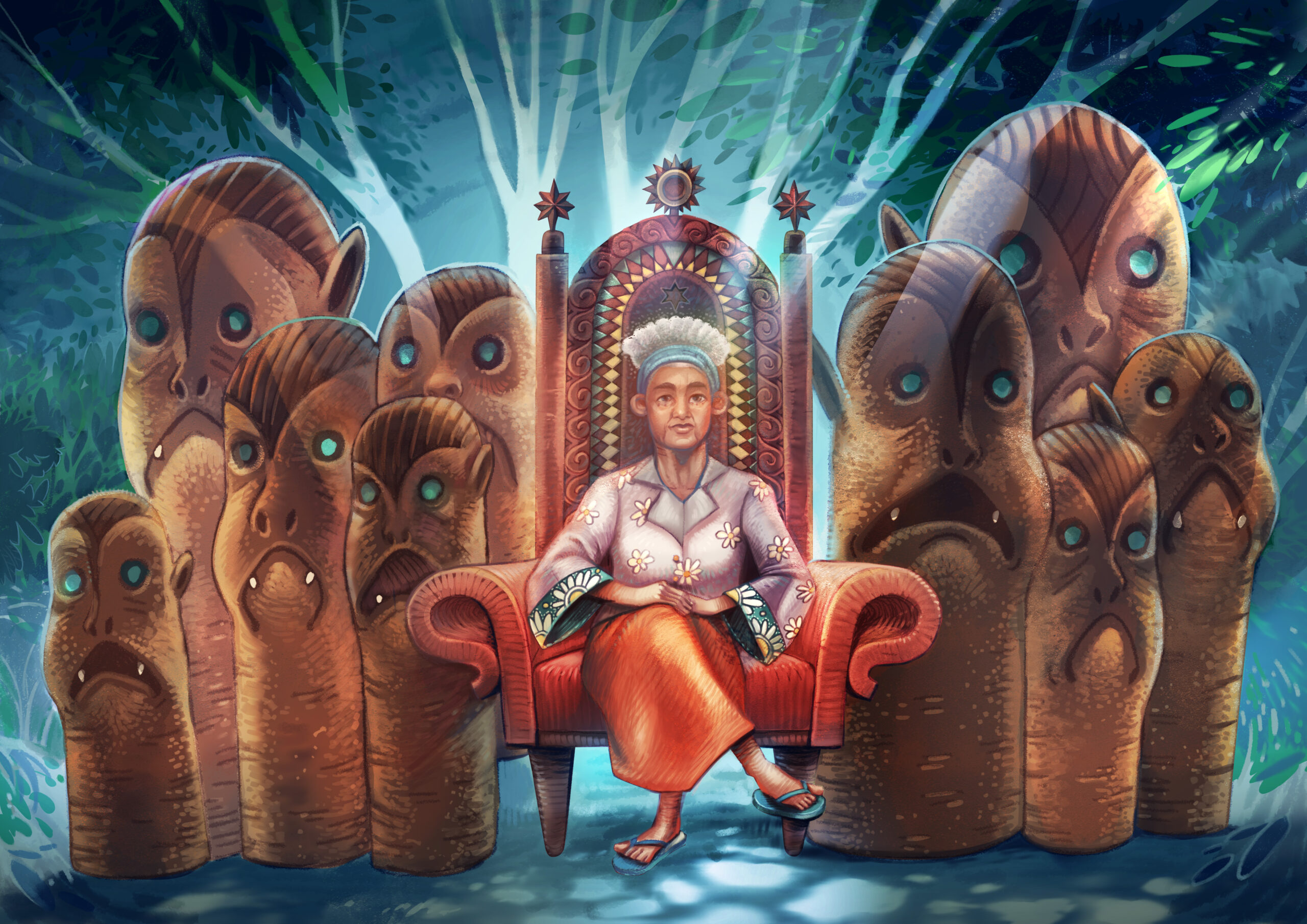
In 1963, small gargoyles like that one were distributed as souvenirs at the inauguration of the Municipal Library of Petrolina.
In 1973, Ana began to pierce the eyes of the gargoyles. It was a tribute to José Vicente, her husband, who was blind and helped to knead the clay for the pieces. The gesture also held a promise from Ana, so that José would no longer need to beg for alms.
Ana said that she made the gargoyle a symbol of São Francisco. To scare away spirits? She didn't even know if they were good or bad. "I make gargoyles out of love."