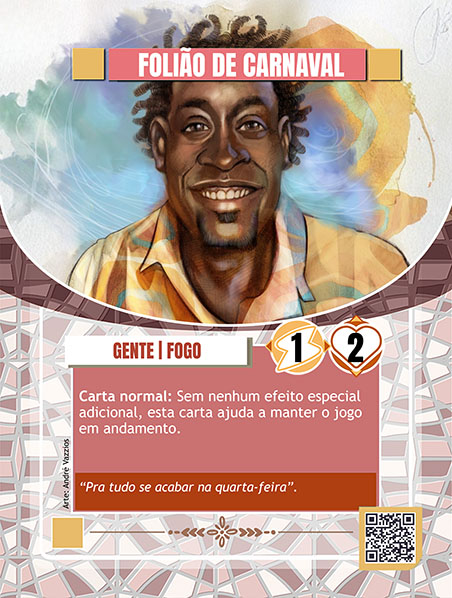
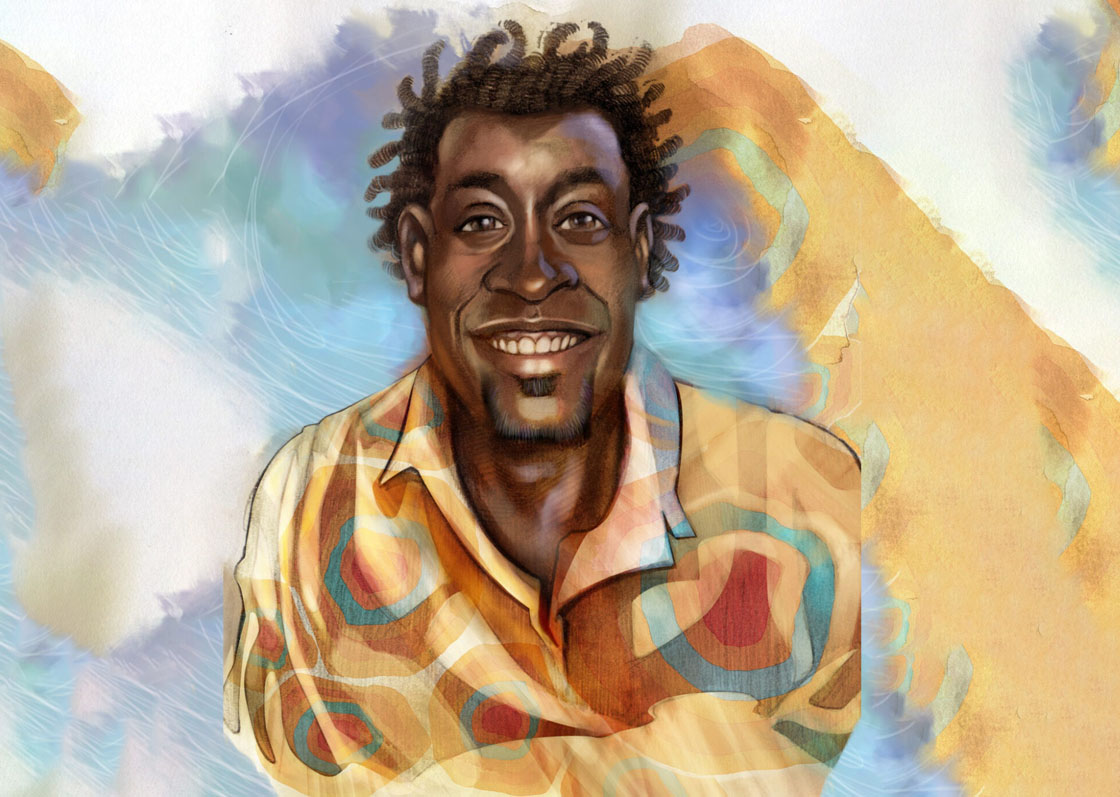
Crowded trains and trams carried revelers to the central streets of Rio de Janeiro. Between the end of the 19th and the middle of the 20th century, many came from the tenements, hills, favelas and suburbs. In Praça Onze, Rua do Ouvidor and other spaces in the city, the black and mixed-race population made the party happen.
This presence bothered sectors of the elites and the police authorities, who called the revelers "barbarians," "troublemakers" and "savages." The participants responded to the discrimination also with laughter. In the songs, costumes, and parodies, they mocked those who oppressed them and challenged the hierarchies of the city.
The work that makes the party
Making Carnival required organization. The revelers gathered in cordões, ranchos, blocos and, later, samba schools. Each group had its rules, its leaders and its ways of conducting the fun. The party depended on this collective work.
It was also necessary to prepare what would be taken to the street. The participants themselves made costumes, accessories and instruments. Tambourines and pandeiros could be made from cat skin from the surrounding area. The skill of those who sewed, assembled and played sustained the Carnival.
The Iphan dossier on the origins of samba tells how a butter tin entered this story. The samba musicians of the Deixa Falar bloco, in Estácio, needed an instrument to mark the rhythm. Alcebíades Barcelos closed one of the mouths of a large tin with goatskin. According to the record, this is how the surdo was born, which began to accompany the samba percussion sections.
Party and presence in the city
The revelry opened space for gestures and desires contained in everyday life. The dance, the costumes, and the encounters allowed them to challenge rules of behavior, including the demands of modesty imposed on women. By occupying the streets and celebrating, these revelers affirmed their place in the public life of the city.
Decades later, the preparation of the masks still reveals the work that precedes the party. In 2014, Mônica Menezes Perny visited the Condal factory in São Gonçalo. The visual artist Sergi Arbusà explained to the researcher how a mask took shape: first, modeling in clay; then, reproduction in plaster and the preparation of a resin mold. The piece was finished in polystyrene and received spray or manual painting. The complete process took, on average, a week.